
The process of buying and selling a house is complex and requires a lot of patience on your part. However, it’s not just patience that would be needed when you want to buy a house or when you want to sell your house; you will also need a lot of money.
You might be wondering why you would need to have money when selling a house, especially since you would be ‘selling’ your property. Well, there are a lot of costs that you would have to bear on your own to make the sale, and once the house is sold, you will get your money. So, while you would end up with a positive bank balance, you must have some cash in your account at the start if you want to make the sale.
When it comes to buying a house, it’s essential to understand that you won’t just need money to buy the home. The payment you will make to buy the house will be the biggest, but it won’t be the only payment you will make. This is because there are a lot of other costs involved, and knowing about them beforehand would help with your budgeting. Advice.
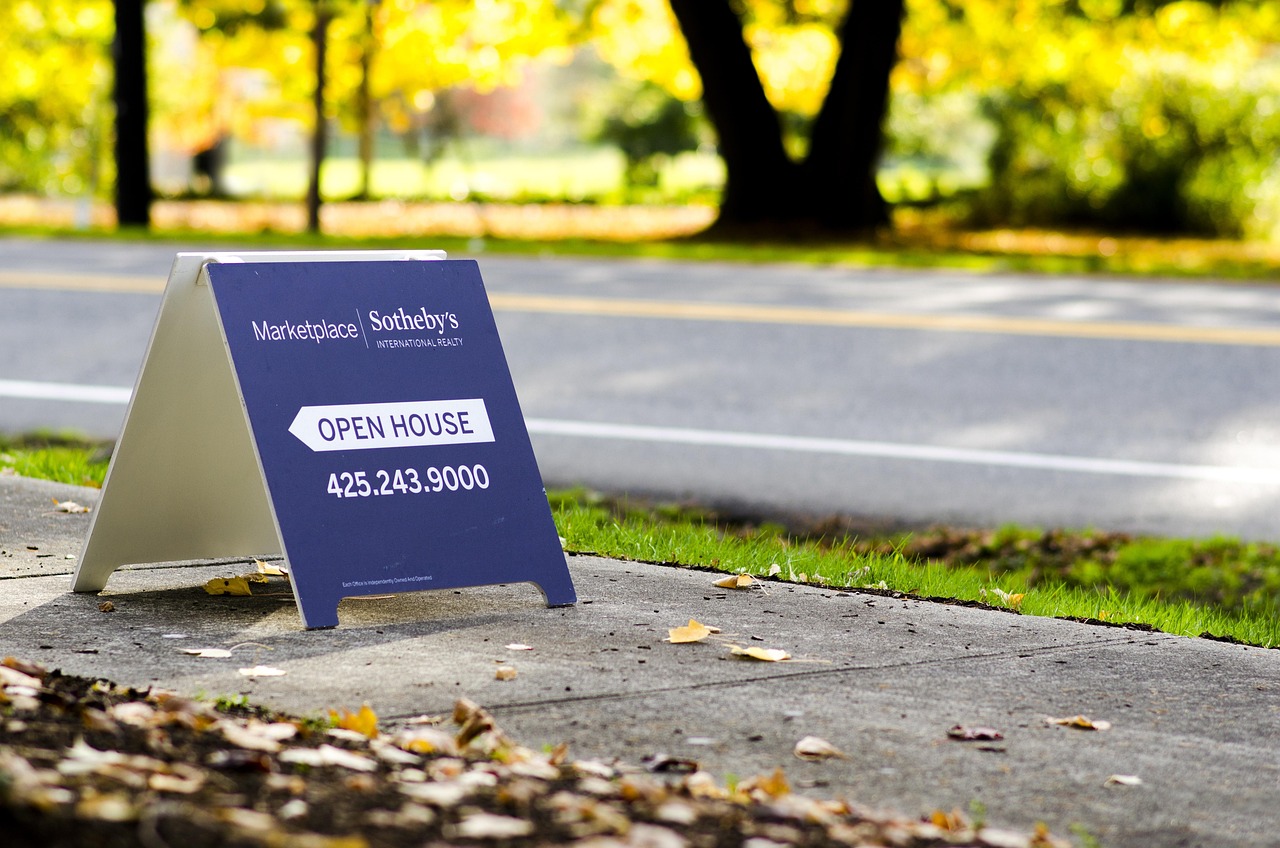
Costs Involved With Selling a House
There is a common misconception that there are no costs involved with selling a house. That’s entirely untrue. You would have to spend a lot of money just to make sure that you are legally allowed to sell your house. And you would have to spend a bit more of your money to make sure that you will take the steps that would enable your house to be actually sold. These costs include:
 |
Estate Agent FeesIf you want to sell your house in the current market, you would need to hire the services of a very good estate agent. Estate agents usually take a percentage of the house’s selling price as their commission. The normal rates vary from 1-3% so the total cost of estate agent fees depends entirely on the final selling price of your house. |
|
Auction FeesIf you decide to auction your house rather than use an estate agent, you won’t be saving yourself too much money. You would have to pay the auction house for putting your house up for auction and it would be a percentage of your house’s final value. |
|
Renovation CostsRegardless of whether you choose an estate agent, an auction house or depend on your own marketing skills to sell the home, you would need to give your house a makeover in order to bring it into a condition where people would like to buy it. The amount you will spend on renovating it would most likely be covered when you sell the house, as any solid renovation would act as an investment. It would be a cost, nonetheless, though, as you would have to spend on renovation before you actually sell the house. See calculator. |
|
Energy Performance CertificateYou would have to pay for an Energy Performance Certificate too, which is a necessity for every house before it is sold. The EPC tells buyers about the house’s energy efficiency and gives a grade to your house from A to G. |
|
Conveyancing/SurveyingThe legal requirements can only be fulfilled by a professional with legal knowledge. So, you must hire a conveyancer or a solicitor for the purpose. While the seller pays less to a conveyancer than a buyer, it’s a cost nonetheless. As with the surveyor, in a sense, you are buying their knowledge and their insurance if they fail to spot an issue that later ends up costing you money, so a professional is a must. |
Costs Involved with Buying a House
When you purchase a house, several costs are involved that you must consider. Below are three of the main costs involved with buying a house.
One important thing to note is that the total costs add up especially when considering conveyancing fees..
Cutting Out Estate Agent Fees as a Buyer
The total costs involved with buying a house are already very high, and the estate agents are increasing them even further by charging buyers for buying a house that they were contracted to sell. This is a rather recent phenomenon with estate agents asking buyers for an introductory commission of around 2% of the total value of the house. They ask for such fees in return for performing a sealed auction. People are always complaining on the forums about this issue.
The idea is entirely absurd, and you should make sure you contact the seller if the estate agent asks for such a fee, as the estate agent is only legally allowed to charge the seller for selling the house.
The page explains that buying or selling a house involves more than the headline property price. Buyers should budget for additional costs such as conveyancing, surveys, mortgage fees, Stamp Duty and moving expenses, while sellers may need to pay estate agent fees, legal costs, EPC charges, removals and preparation costs. Planning these expenses early can help avoid unexpected pressure during the move.
- MoneyHelper: Mortgage fees and costs when buying or selling a home
UK guidance explaining the extra costs to consider when moving home, including deposits, solicitor fees, surveys, mortgage fees, insurance and moving costs. - GOV.UK: Stamp Duty Land Tax
Official government guidance explaining when Stamp Duty Land Tax applies, how it is calculated and who needs to pay it. - MoneySavingExpert: The costs of buying a house
UK consumer guide covering the additional costs of buying a property, including solicitor fees, mortgage fees, surveys and Stamp Duty. - Which?: The cost of selling a house
Consumer advice on common selling costs, such as estate agent fees, conveyancing, EPCs, removals, and possible mortgage charges. - HomeOwners Alliance: Cost of buying a house
UK property advice guide outlining the full range of upfront and ongoing costs buyers should budget for when purchasing a home.